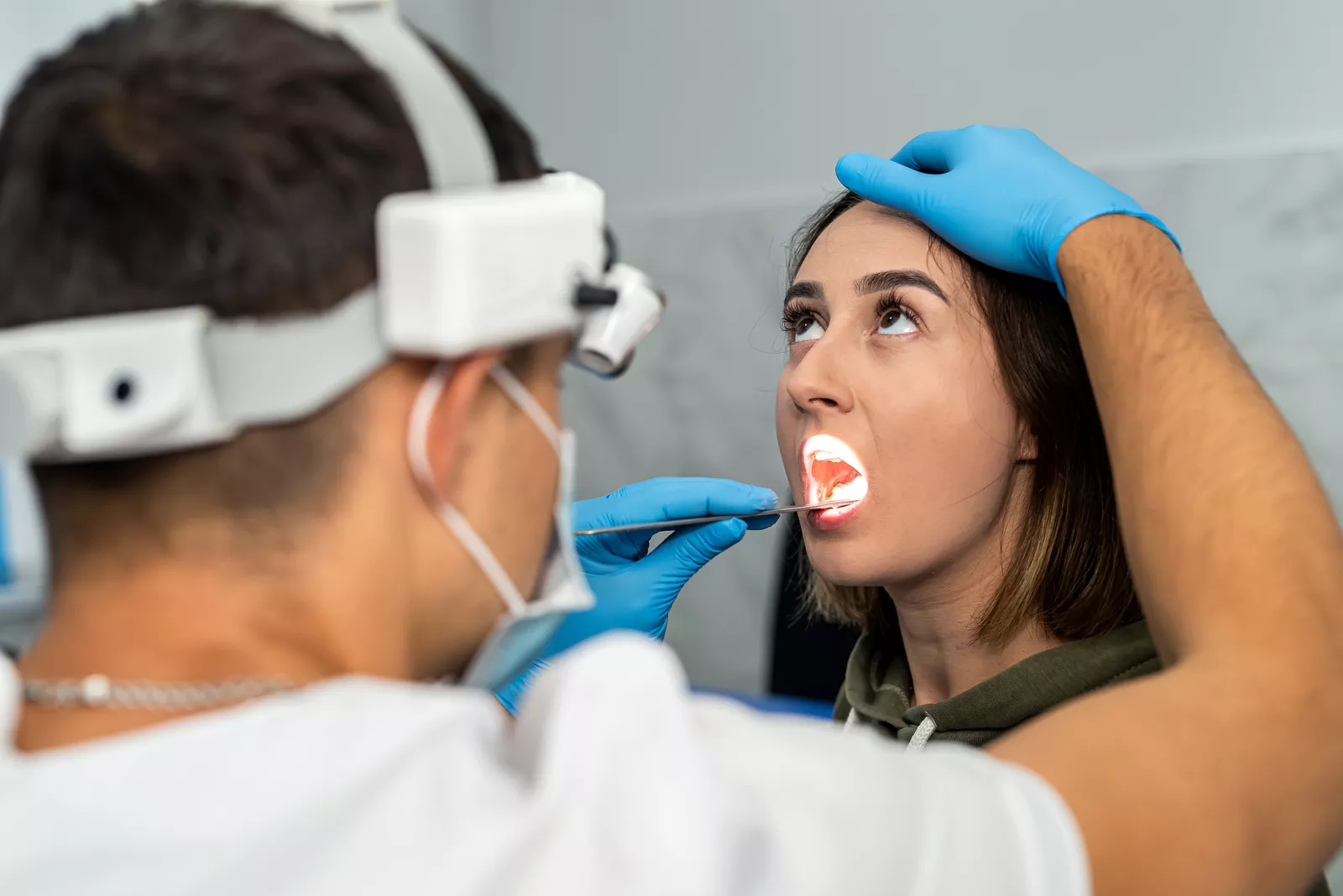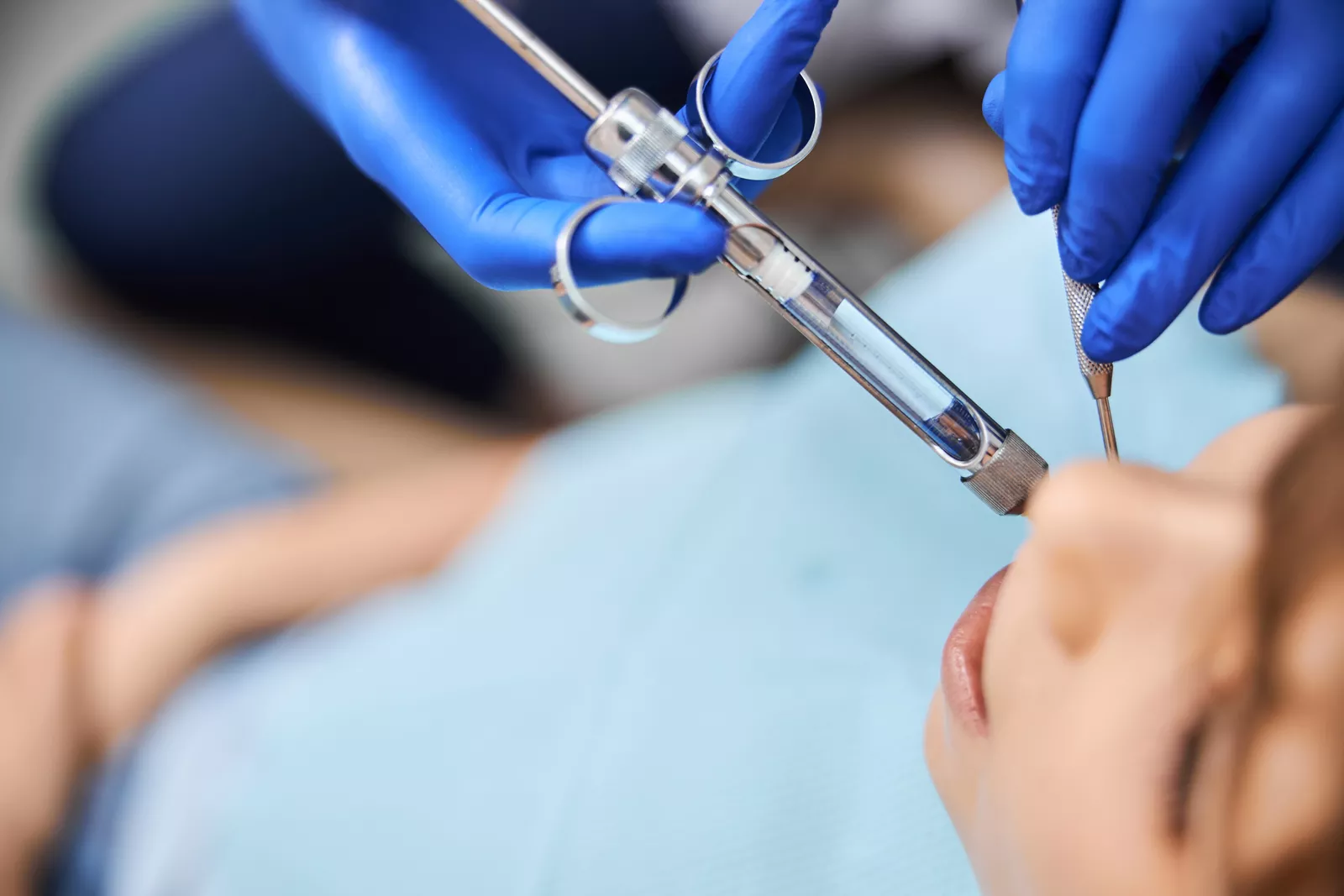
Mepivacaine has earned its place in dental anesthesia through decades of reliable performance across a wide range of clinical situations. Clinicians reach for it when they need intermediate-duration numbing without a vasoconstrictor, particularly in patients with cardiovascular concerns or those needing shorter appointments. Understanding how a vapocoolant pre-treatment supports mepivacaine helps teams get the most out of an already trusted anesthetic.
Vapocoolant cooling handles the moment mepivacaine cannot address on its own, which is the initial mucosal stick before the drug reaches usable depth. Pairing the two tools thoughtfully gives patients a smoother start without changing anything about the injected agent itself. The combination is complementary rather than competitive at every step.
How Does Vapocoolant Pre-Treatment Support Mepivacaine Efficacy?
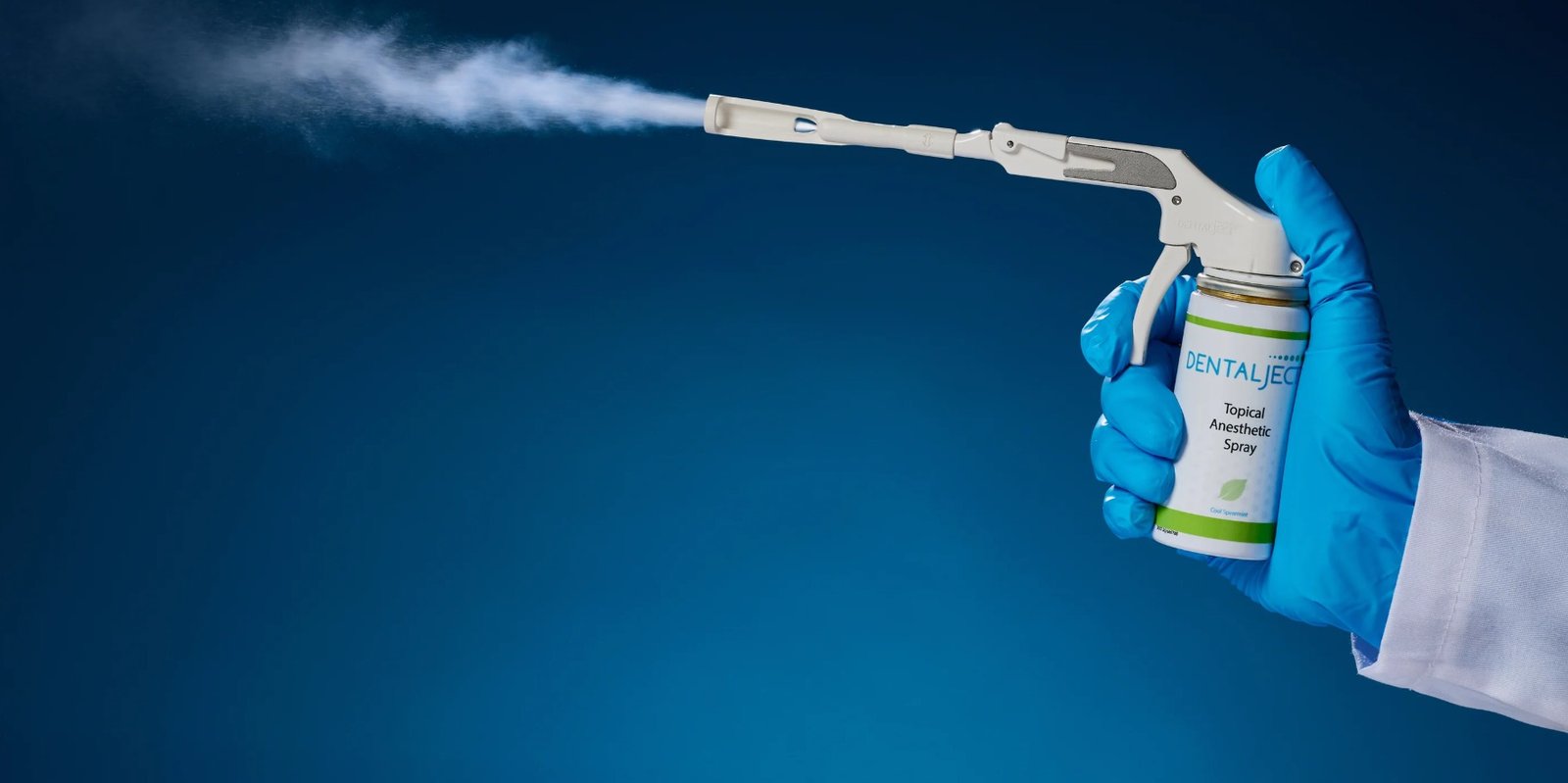
Vapocoolant pre-treatment supports mepivacaine efficacy by reducing the pain of the initial needle stick before mepivacaine has time to reach its onset window. Cooling the mucosa slows nerve conduction at the surface, which blunts the sharpest moment of the injection without altering how mepivacaine itself works. The two tools cover different parts of the anesthetic sequence and reinforce each other during a single appointment.
The Clinical Profile of Mepivacaine in Dental Anesthesia
Mepivacaine has held a steady place in dental anesthesia for decades because of its predictable behavior across a wide range of clinical situations. The drug delivers reliable pulpal anesthesia within a familiar time window and works well in patients where a vasoconstrictor is not appropriate. Understanding its profile helps clinicians match the right agent to the right case at chairside.
Chemical Class - Mepivacaine is an amide-type local anesthetic that blocks sodium channels inside the nerve fiber.
Onset Time - Pulpal anesthesia typically begins within 3 to 5 minutes of injection depending on site and technique.
Duration Range - Soft tissue numbness lasts 2 to 3 hours, while pulpal effect runs 20 to 40 minutes.
Vasoconstrictor Options - Available in 3% plain and 2% with 1:20,000 levonordefrin for cardiovascular-sensitive patients.
Clinical Reputation - Trusted across general, specialty, and pediatric dental practice for its predictable profile.
According to a randomized clinical trial, 2% mepivacaine with epinephrine produced a mean onset of 5.52 minutes and duration of 234 minutes for inferior alveolar nerve block. The findings support what most clinicians already know from experience with the drug. Consistent performance across studies is part of why mepivacaine remains a first-choice option for many teams.
Where Mepivacaine Onset Leaves a Gap in Patient Comfort
Mepivacaine performs its job well once the drug reaches the nerve, though the initial injection itself sits outside that window entirely. The 3 to 5 minute onset means the patient still experiences the full sharpness of the needle stick during administration. Nothing about the drug's pharmacology can address the moment before it begins to work.
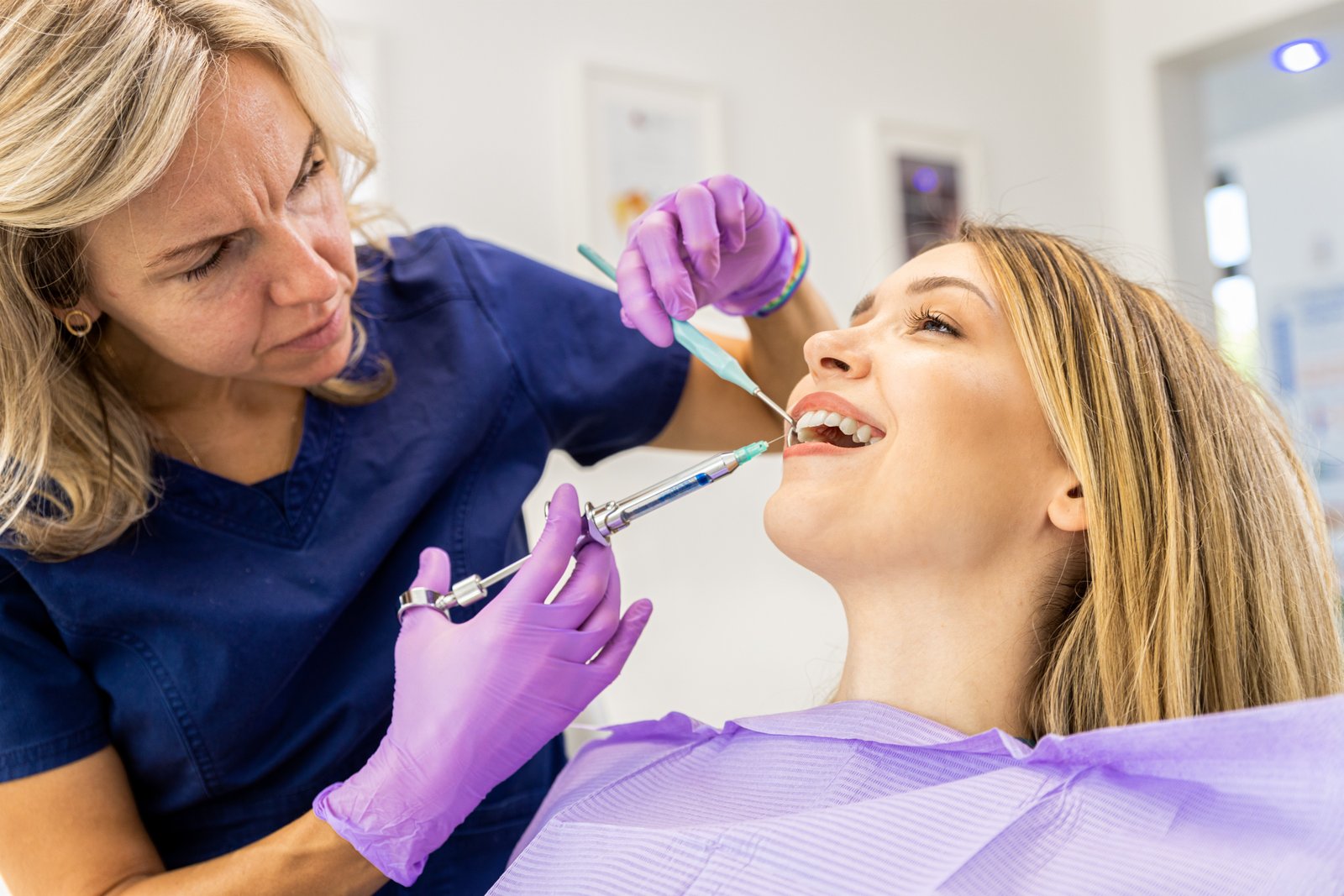
The mucosal stick is where patient anxiety tends to peak during a dental appointment with any local anesthetic. Rapid injection of the solution distends the tissue and adds a mechanical pain component on top of the needle contact itself. Patients report the initial burst as the most memorable part of the visit, even when the rest of the procedure runs smoothly.
According to a meta-analysis in the International Dental Journal, mepivacaine showed inferior pain control during the injection phase compared to some alternatives despite comparable overall efficacy. The gap is not a flaw in the drug but a limitation shared by any injectable anesthetic on the market. The moment of the stick belongs to a different pharmacologic tool set entirely.
Furthermore, the gap matters clinically because uncomfortable injections shape patient behavior long after the appointment ends. Missed follow-ups, delayed treatment plans, and anxious returns all trace back to how the initial stick felt. Closing that window is where an adjunctive comfort tool starts to earn its place in the protocol.
How Vapocoolant Pre-Treatment Bridges the Onset Window
Vapocoolant pre-treatment addresses the specific window that mepivacaine cannot reach on its own during the injection sequence. Rapid surface cooling numbs the mucosa in seconds by slowing nerve conduction at the tissue level. The physiologic effect covers exactly the moment before mepivacaine begins its own onset.
The two tools work through different mechanisms without interfering with each other at the injection site. Cooling operates from outside the nerve while mepivacaine works from inside once it reaches the fiber.
According to a split-mouth clinical study, pre-cooling the injection site significantly reduced pain perception during local anesthetic administration. The effect showed up in patient-reported scores across a controlled comparison design. Findings support cooling as a real contributor to injection comfort rather than a placebo.
Meanwhile, the pre-treatment adds no clinical variables that could interfere with mepivacaine performance downstream. Cooling wears off within about a minute, well before the anesthetic itself reaches full effect on the nerve. The sequence gives patients a smoother start without changing anything about the drug that follows.
Combining Vapocoolant Cooling With Mepivacaine in Practice
Combining vapocoolant cooling with mepivacaine in practice works best when the assistant treats both steps as parts of a single injection protocol. The cooling application slots into the same moment where the topical would normally sit, so no extra chair time is required. The team gains a smoother first second without disrupting the anesthetic sequence they already run.
Timing matters more than most teams expect during the combined approach at chairside. A brief 2-second cooling application immediately before the stick delivers the maximum surface benefit at the peak pain moment. Waiting even 5 seconds before injecting lets the surface rewarm and reduces the analgesic overlap with the incoming solution.
Site selection also shapes how well the combination performs across different mepivacaine injections. Palatal blocks, buccal infiltrations, and inferior alveolar approaches all benefit from surface cooling before the anesthetic enters. Anxious patients, pediatric cases, and needle-phobic adults tend to notice the difference most consistently.
Furthermore, patient feedback consistently favors the combined approach once teams begin using it routinely. Clinicians who track responses across visits notice smoother visits and steadier recall over time.
Ready to Get a Smoother Start in Your Operatory?
Mepivacaine has earned its place in dental anesthesia through decades of reliable clinical performance. Adding a vapocoolant pre-treatment does not change what the drug does; it fills the window before mepivacaine begins to work. The combination gives patients a calmer start without altering anything about the anesthetic sequence.
DentalJect delivers a 2-second surface cooling application that fits cleanly ahead of any mepivacaine injection. The device pairs with your existing anesthetic protocol and requires no workflow rewrite for the assistant. Speak with the VCS Medical team about adding DentalJect to your mepivacaine injection sequence.
Ready to start the No-Wait Injection Protocol?
Add DentalJect to your practice with the Intro Bundle.
Get the Intro Bundle