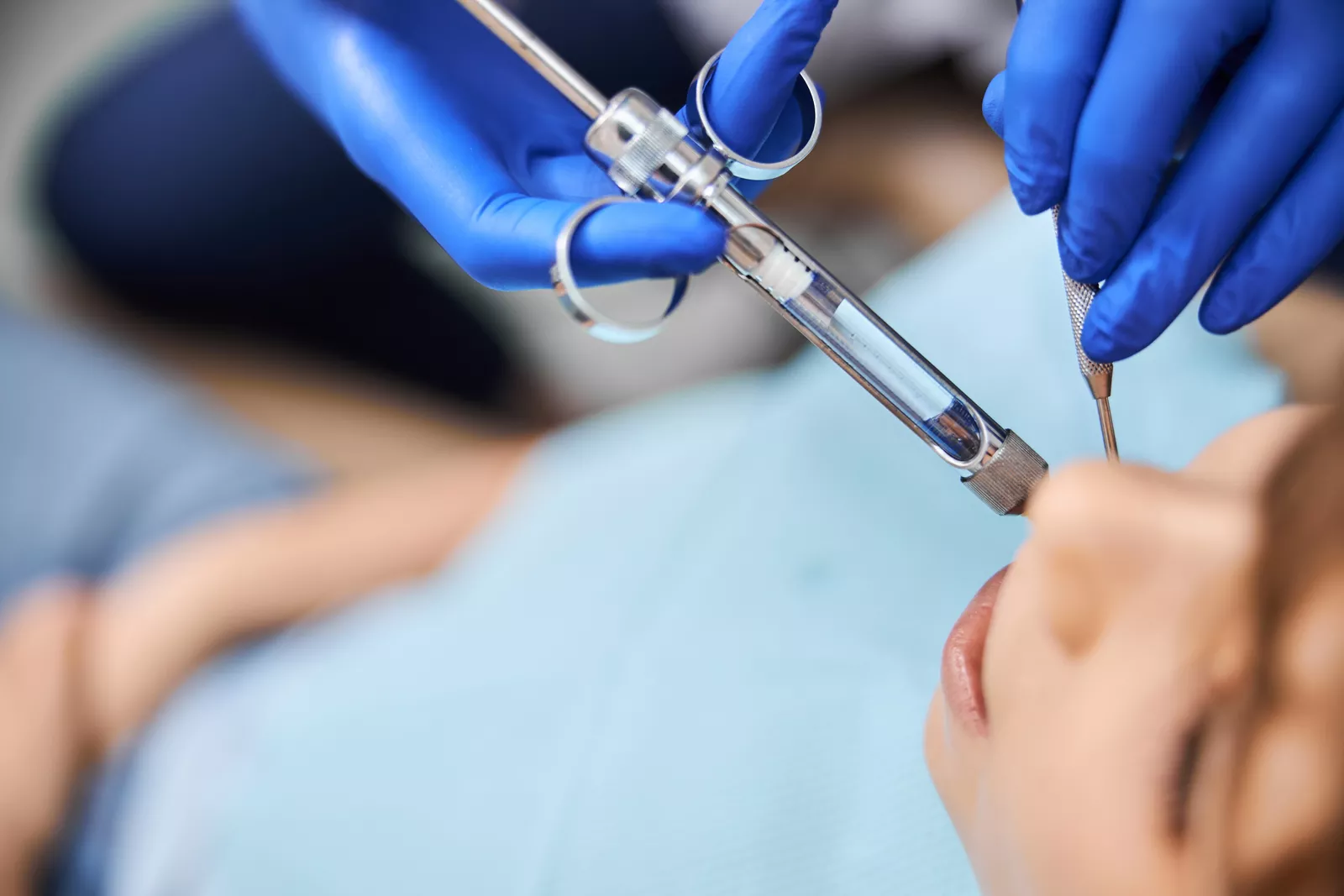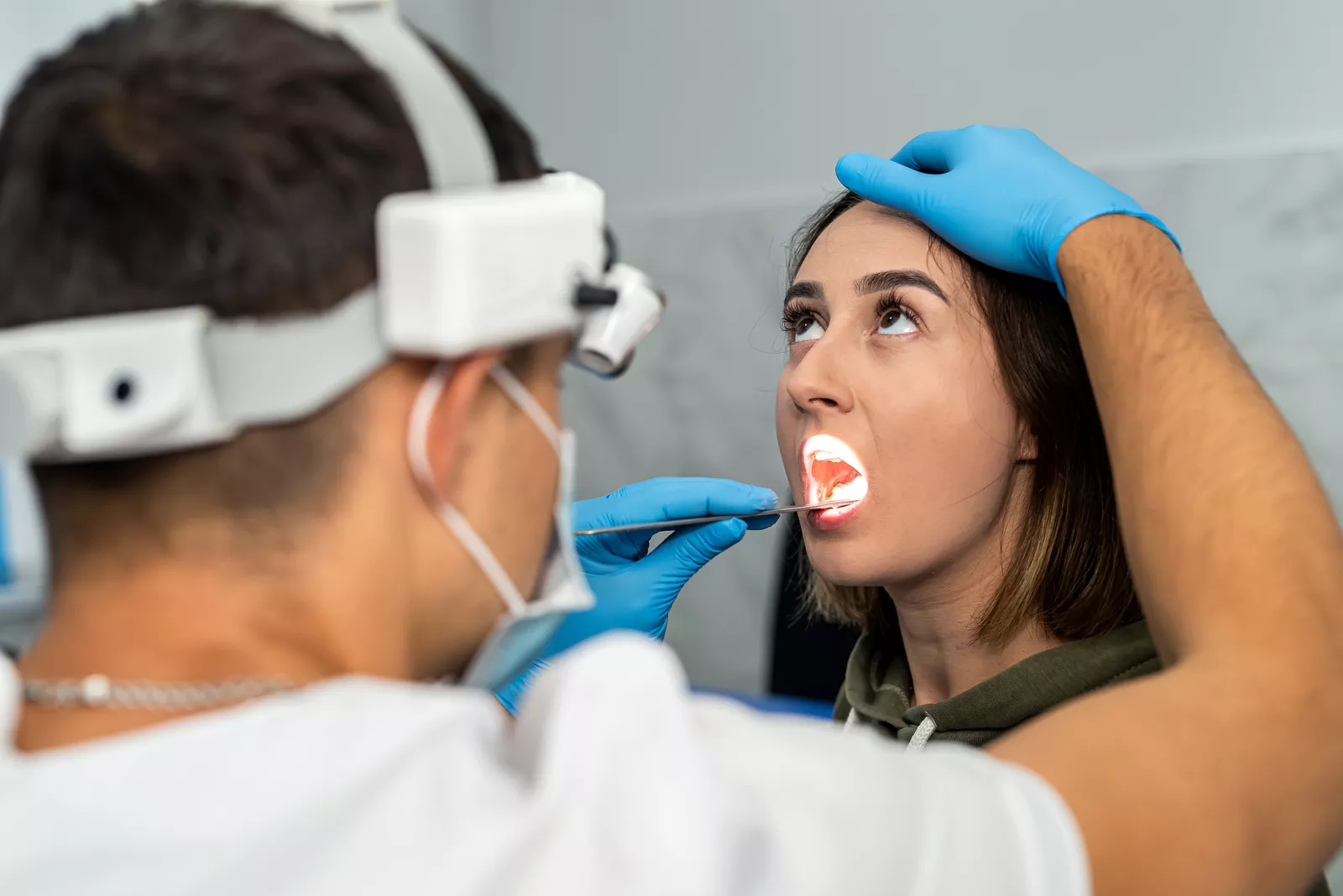
Older vapocoolant sprays earned a real reputation for adverse events, and tissue sloughing was one of the more serious concerns clinicians ran into over the years. Prolonged application, aggressive freezing, and older formulations all contributed to cases where mucosal tissue reacted poorly after treatment. Modern numbing sprays have redesigned nearly every part of that equation to address the risk directly.
Better propellants, controlled dispensing, and clearer application windows all shape how safely a spray performs on oral mucosa. The clinical risk profile now looks very different from what many practitioners remember from earlier decades. Understanding the changes gives dental teams a clearer read on where the real safety line actually sits.
Why Do Modern Numbing Sprays Reduce the Risk of Tissue Sloughing?
Modern numbing sprays reduce the risk of tissue sloughing through safer propellants, controlled dispensing rates, and shorter recommended application windows than older vapocoolant products used. Rapid evaporative cooling with regulated spray duration limits the depth of the freeze-thaw cycle that once caused mucosal injury.
What Tissue Sloughing Looks Like in Oral Mucosa
Tissue sloughing refers to the death and detachment of superficial mucosal cells from the underlying tissue after an injury or adverse event. The affected area typically appears white or grayish for several days before the necrotic layer separates and reveals raw tissue underneath. Patients often notice the change themselves when the sloughed layer catches on the tongue or feels loose against nearby teeth.
Cold-related tissue sloughing follows a specific pattern that clinicians can usually recognize on follow-up. The injury starts as an ice-crystal effect during the freeze phase and expands during the rewarming phase as damaged cells release inflammatory mediators. The full extent of the damage often becomes visible only 24 to 72 hours after the original application.
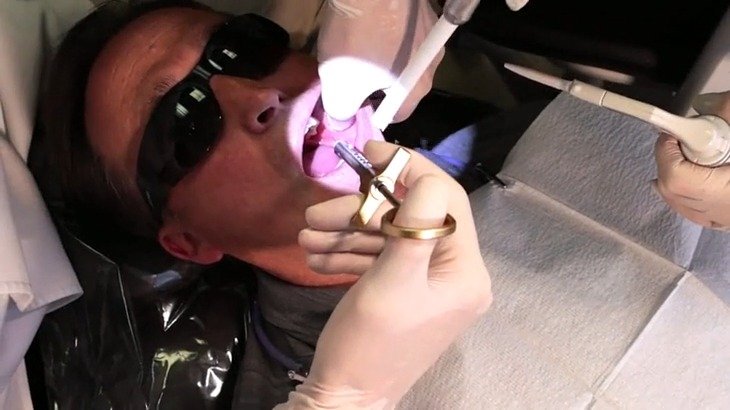
Small areas of sloughing usually heal on their own within one to two weeks with minimal intervention. Larger areas can leave hyperpigmented patches or altered mucosal texture that lasts several months. Patients occasionally report tenderness or sensitivity in the affected region long after the visible signs have faded.
Furthermore, the presentation depends heavily on where the injury occurred inside the oral cavity. Tissue sloughing on the hard palate looks different from the buccal mucosa because the underlying anatomy shapes how the damage spreads. Recognizing the pattern early is what helps a practice manage the follow-up appropriately.
How Older Vapocoolant Sprays Caused Adverse Tissue Reactions
Older vapocoolant sprays produced adverse tissue reactions through a combination of formulation choices and application practices that would not pass modern safety standards. Aggressive freezing, unclear application windows, and older propellants all contributed to the injuries clinicians documented over the years. Understanding the specific failure points helps explain why modern products behave so differently.
Ethyl Chloride Formulations - Older sprays used ethyl chloride, which is flammable and produces extreme surface temperatures on prolonged contact.
Uncontrolled Duration - Application times were not standardized, so clinicians often oversprayed while trying to achieve visible blanching.
Inconsistent Delivery - Older canisters lacked precise dispensing controls, which allowed larger coolant volumes to reach the tissue.
Direct Skin Application - Sprays were originally designed for intact skin and later adapted for mucosa without formulation changes.
Freeze-Thaw Cycles - Extended exposure produced deeper freezing followed by inflammatory rewarming that damaged surface cells.
The freeze-thaw cycle sits at the center of most historical adverse events involving vapocoolant sprays. Deeper freezes injured more cells during ice crystal formation, and the rewarming inflammatory response damaged them further. Modern engineering targets that exact mechanism through both formulation and dispensing control.
Why the 2-Second Spray Window Protects Against Tissue Sloughing
The 2-second spray window exists because it keeps surface temperature inside the physiologic range where analgesia occurs without triggering tissue sloughing. Beyond that window, ice crystal formation begins to damage cells at levels that older continuous-spray products routinely exceeded. Two seconds delivers enough cooling to blunt the injection pain without pushing tissue into the injury zone.
The relationship between spray time and tissue safety is not linear, and small extensions past 2 seconds increase risk sharply. Every additional second deposits more coolant on tissue that is already close to its safe temperature limit.
Blanching is the clinical marker that tells clinicians the effective numbing zone has been reached. Once the mucosa turns white, additional spray adds no analgesic benefit and increases the risk of frostbite or pigmentation change. Trained assistants learn to stop the trigger at the blanch rather than pushing for a longer application.
Meanwhile, the 2-second ceiling also matches how quickly the injection needs to follow the spray. Numbing lasts 3 to 8 seconds after blanching, so a brief application leaves plenty of window to place the needle. Timing the spray precisely is what turns a safety limit into a workflow feature.
Applying Modern Numbing Sprays Safely in a Dental Setting
Applying a modern numbing spray safely in a dental setting comes down to consistent technique across the entire team. The device engineering handles a large share of the safety equation, but the assistant still controls timing, distance, and site selection during the appointment.
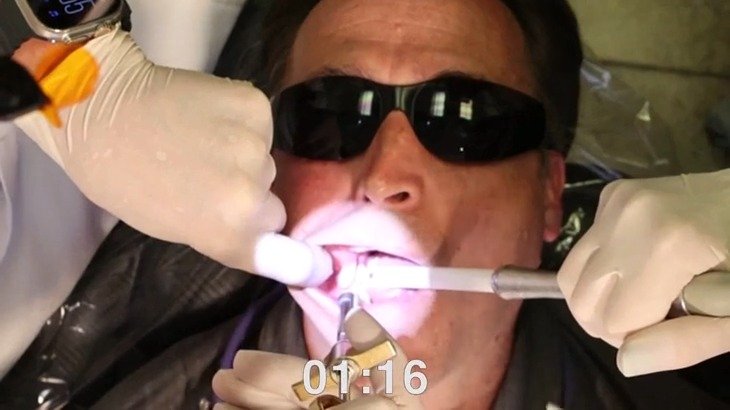
Small habits built into the protocol prevent the situations that once caused adverse events.
Respect the 2-Second Ceiling - Stop the trigger at 2 seconds or at visible blanching, whichever comes first.
Maintain Correct Distance - Position the guide ring directly onto or within one inch of the site to control droplet velocity on contact.
Avoid Repeat Application - Do not respray the same area during the appointment, since the tissue has not fully recovered.
Skip Damaged Tissue - Never apply to ulcerated mucosa, puncture wounds, or areas with reduced saliva flow.
Watch for Frostbite Signs - Monitor the site for prolonged whiteness or unusual sensation before proceeding with the injection.
Assistant training makes the biggest difference in long-term safety across the schedule. Consistent application from a well-trained team removes the variability that once led to over-application injuries. Clinicians who own the protocol for their own operatory tend to see cleaner outcomes across a full patient roster.
Furthermore, the safety profile improves as the entire team learns to read tissue response in real time. Feedback loops between the assistant and the dentist catch small issues before they become clinical events.
Ready to Bring Safer Cooling Into Your Injection Protocol?
Tissue sloughing was a real concern with older vapocoolant sprays, but modern products have redesigned the entire safety equation. Controlled dispensing, safer propellants, and clearly defined application windows have shifted the risk profile substantially. Understanding the changes helps dental teams use the tool with confidence.
DentalJect delivers a controlled 2-second application designed to keep tissue temperature within the safe analgesic range. The device pairs a modern HFO-1234ze formulation with precise dispensing to protect oral mucosa during every use. Get in touch with the VCS Medical team to see how DentalJect fits your safe injection protocol.
Ready to start the No-Wait Injection Protocol?
Add DentalJect to your practice with the Intro Bundle.
Get the Intro Bundle