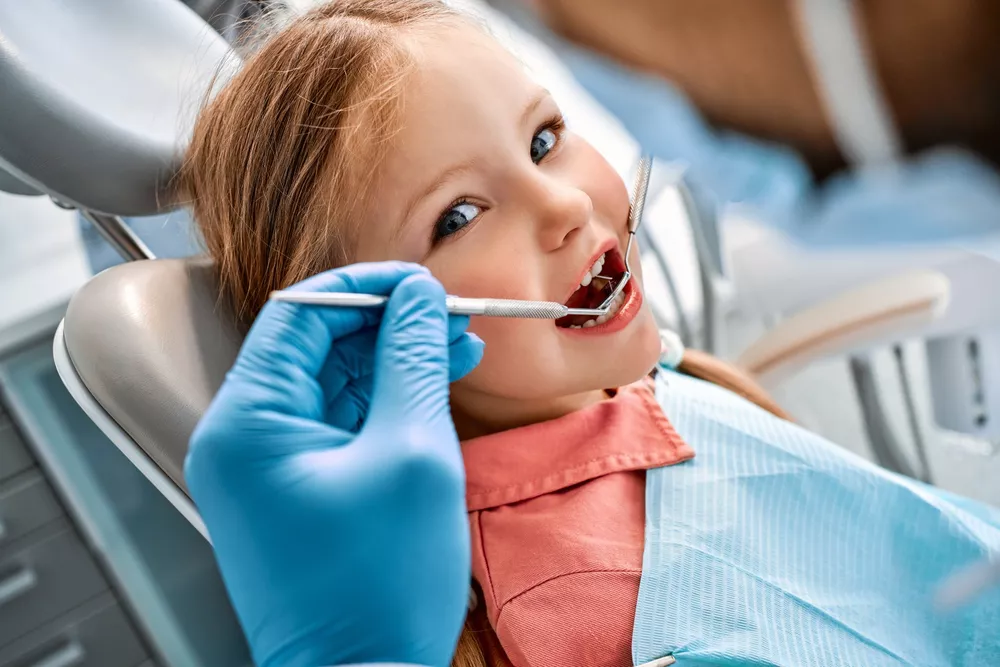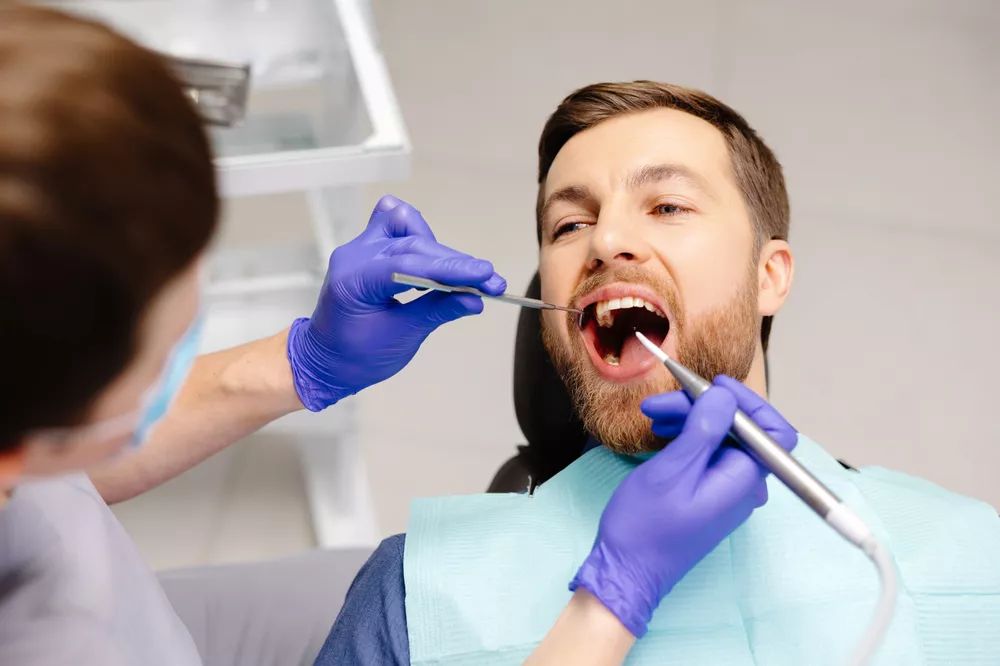
Dental teams face growing pressure to reduce opioid use across the full arc of patient care, and non opioid pain management strategies now shape everyday clinical decisions. Cryo-anesthesia introduces a rapid, drug-free option that addresses procedural pain at the mucosal surface before injection. The technique fits naturally into multimodal protocols already in place for extractions, restorations, and hygiene visits.
Recent evidence supports layered approaches that combine local techniques, over-the-counter analgesics, and behavioral strategies. Adding cryo-anesthesia at the pre-injection stage reduces the pain spike that often triggers anxiety and complicates the rest of the procedure. Below, you will see how the mechanism interacts with the broader non-opioid landscape in dentistry.
What Role Does Cryo-Anesthesia Play in Non Opioid Care?
Cryo-anesthesia lowers mucosal temperature within seconds, blocking nociceptive input at the site of needle penetration without any pharmacologic agent. It complements ibuprofen, acetaminophen, and local infiltration by reducing the pre-injection pain spike that often escalates patient anxiety. The result is smoother procedures and less reliance on postoperative opioid analgesia for acute dental pain.
The Shifting Landscape of Non Opioid Pain Management in Dentistry
Dental prescribing patterns have changed sharply as clinicians move away from routine opioid use after common procedures. According to the National Institute of Dental and Craniofacial Research, dental opioid prescriptions dropped roughly 45 percent between 2016 and 2022. The decline reflects updated guidelines, patient education, and clearer evidence supporting non-opioid combinations.
Ibuprofen and acetaminophen now anchor most acute pain protocols following extractions and other minor procedures. Meanwhile, procedural pain during the visit itself receives less attention despite its role in shaping patient perception. Reducing that intraoperative spike matters because uncontrolled procedural pain often drives requests for stronger postoperative medication.
Cryo-anesthesia enters the picture at the injection stage, where fear and pain intersect most sharply. The technique adds a drug-free, non opioid pain management layer that works alongside topical gels and infiltration blocks. As a result, teams can maintain modern prescribing patterns without sacrificing patient comfort during the visit.
How Cryo-Anesthesia Supports Non Opioid Pain Management Protocols
Multimodal analgesia targets pain at multiple points along the peripheral and central pathways rather than relying on a single agent. Adding cryo-anesthesia expands the model upstream to the moment of needle penetration itself. The addition matters because early nociceptive input influences how the nervous system processes later pain during and after the procedure.
Practical Applications in Daily Practice
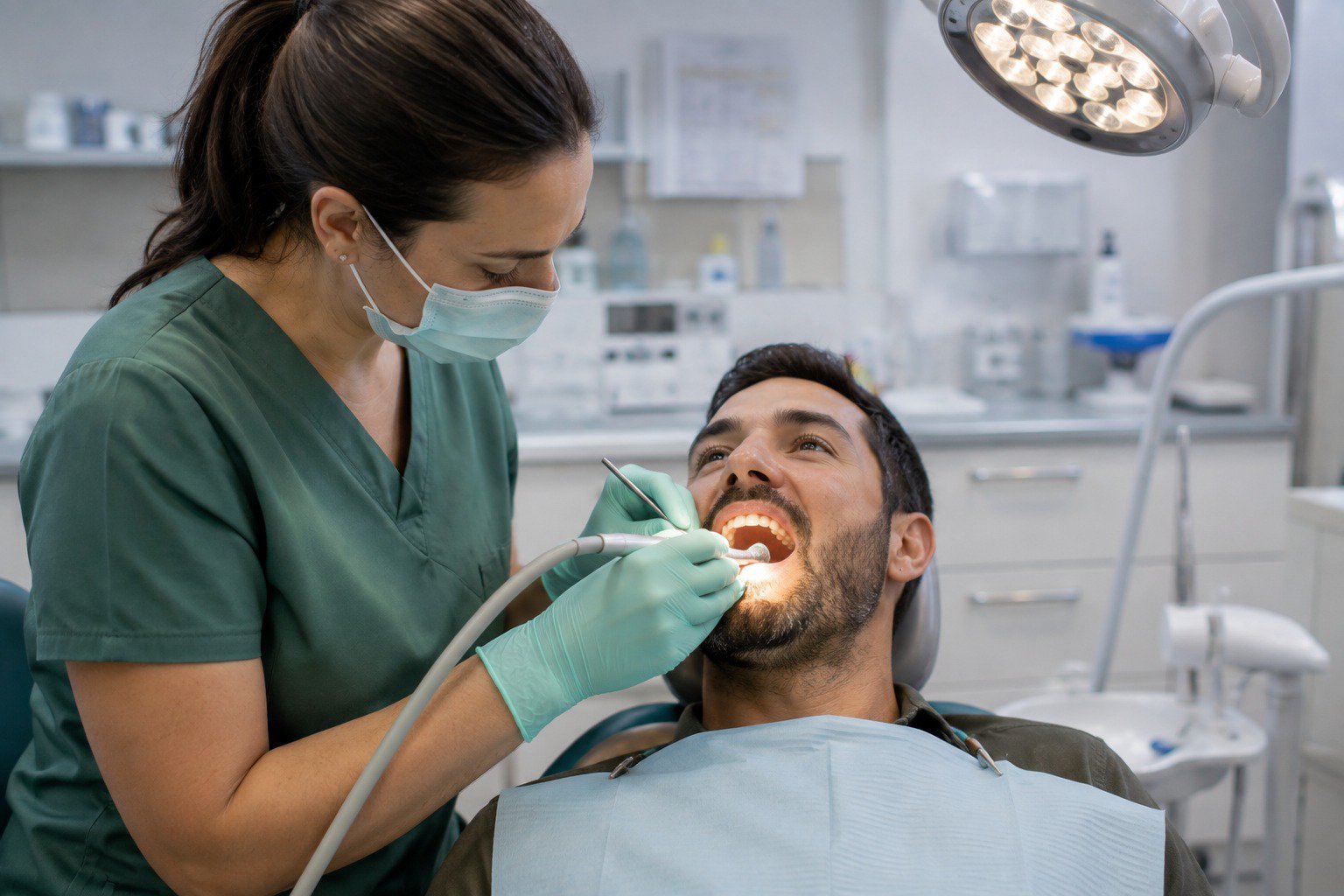
Non opioid pain management protocols benefit from cryo-anesthesia in several defined clinical scenarios during a typical schedule.
Palatal injections gain rapid mucosal numbing before infiltration begins.
Posterior mandibular blocks start with reduced penetration pain at the initial stick.
Pediatric visits avoid pharmacologic topical agents subject to methemoglobinemia warnings.
Anxious adults experience a shorter anticipatory pause before the needle enters.
Combining cryo-anesthesia with scheduled ibuprofen and acetaminophen supports the layered approach recommended by current dental guidelines. In addition, the drug-free mechanism removes concerns about additive dosing when patients already take over-the-counter analgesics at home.
DentalJect fits into these protocols with a targeted cool gas designed for oral mucosa. Review the benefits page to see how the mechanism supports clinician and patient outcomes across procedure types.
Evidence Supporting Non Opioid Pain Management Through Layering
Research supports the shift toward layered non-opioid strategies for both procedural and postoperative dental pain. According to a randomized noninferiority trial published in the Journal of the American Dental Association, ibuprofen combined with acetaminophen matched opioid analgesics after third-molar extractions. The finding reinforces the American Dental Association recommendation that the combination serve as first-line therapy.
Procedural cooling adds a distinct mechanism that complements those oral analgesics rather than competing with them. As a result, teams can build a protocol that addresses pain before, during, and after the visit through separate physiologic routes. The layered structure reduces the pressure on any single intervention to carry the full analgesic load.
Cryo-anesthesia also supports non opioid pain management by improving patient perception of the visit itself. Positive procedural experiences reduce anticipatory anxiety at future appointments and support attendance for preventive care. You can explore related considerations in our post on palatal injections and patient distress.
Workflow and Safety Considerations
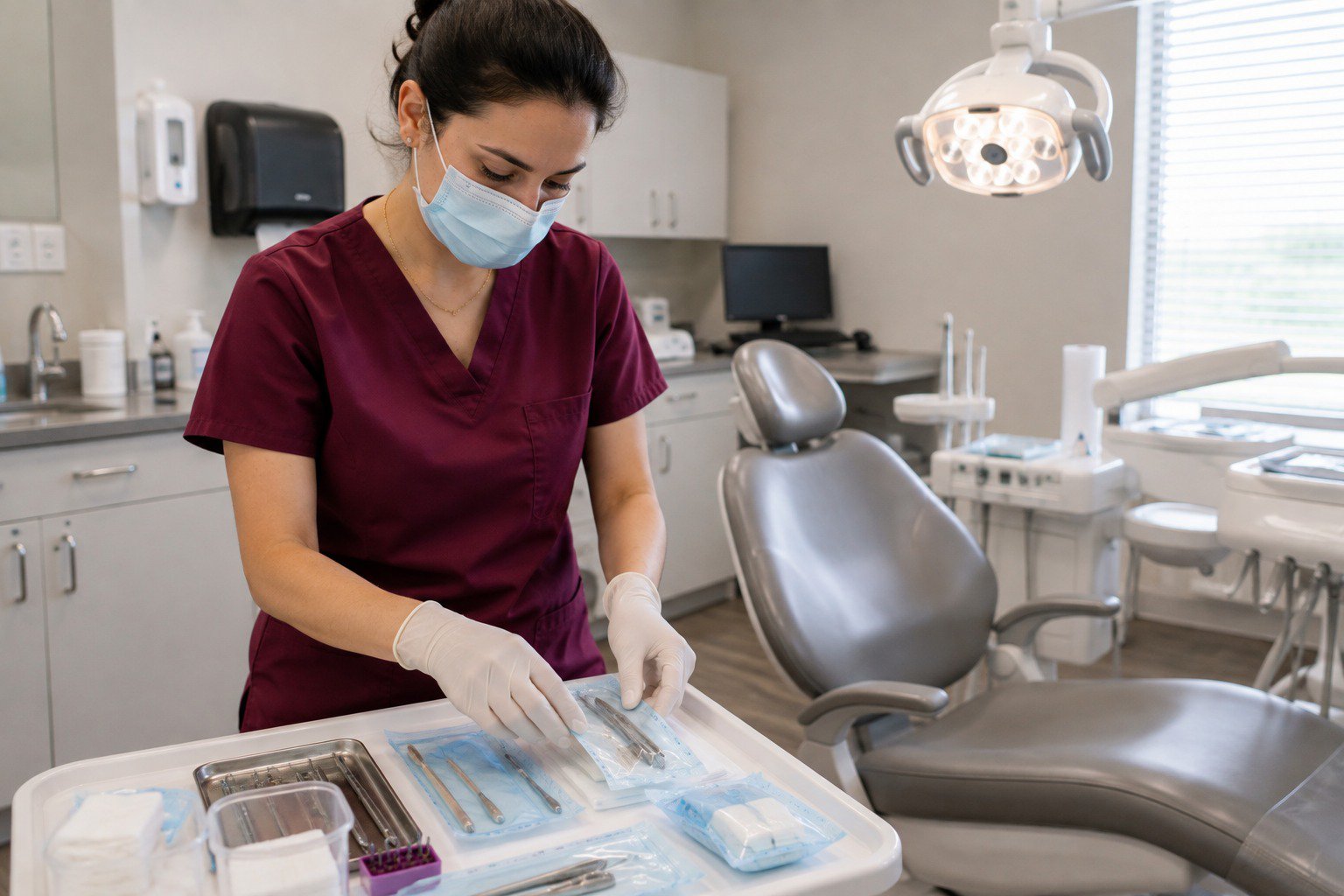
Workflow gains matter because they influence how readily a technique becomes routine across a dental team. Cryo-anesthesia eliminates the waiting period associated with traditional chemical topicals, saving three to five minutes per injection. Time reclaimed at each chair adds up across a full schedule of restorative and hygiene visits.
Safety considerations favor drug-free approaches in specific patient populations. According to the Food and Drug Administration (FDA) drug safety communication on benzocaine, the agency has required warnings and pediatric contraindications for oral benzocaine products. Cryo-anesthesia avoids that pharmacologic concern entirely by relying on rapid cooling rather than sodium channel blockade.
The drug-free profile also simplifies decision-making for medically complex patients on multiple medications. Meanwhile, single-handed operation fits existing chairside habits, allowing assistants to transition smoothly to needle handoff. Explore our overview of numbing spray as a prescription device for related regulatory context.
Bring Cryo-Anesthesia Into Your Non-Opioid Toolkit
Cryo-anesthesia adds a rapid, drug-free layer to the non opioid pain management strategies already reshaping modern dental care. The technique addresses procedural pain at its source and supports smoother visits without adding pharmacologic burden. Integration fits naturally alongside ibuprofen, acetaminophen, and local infiltration protocols recommended by current guidelines.
DentalJect brings targeted cooling into your operatory with a design built for dental mucosa. Learn more about the founding mission behind the product on our about us page. Connect with our team through the contact page to explore how cryo-anesthesia fits your current protocols.
Ready to start the No-Wait Injection Protocol?
Add DentalJect to your practice with the Intro Bundle.
Get the Intro Bundle