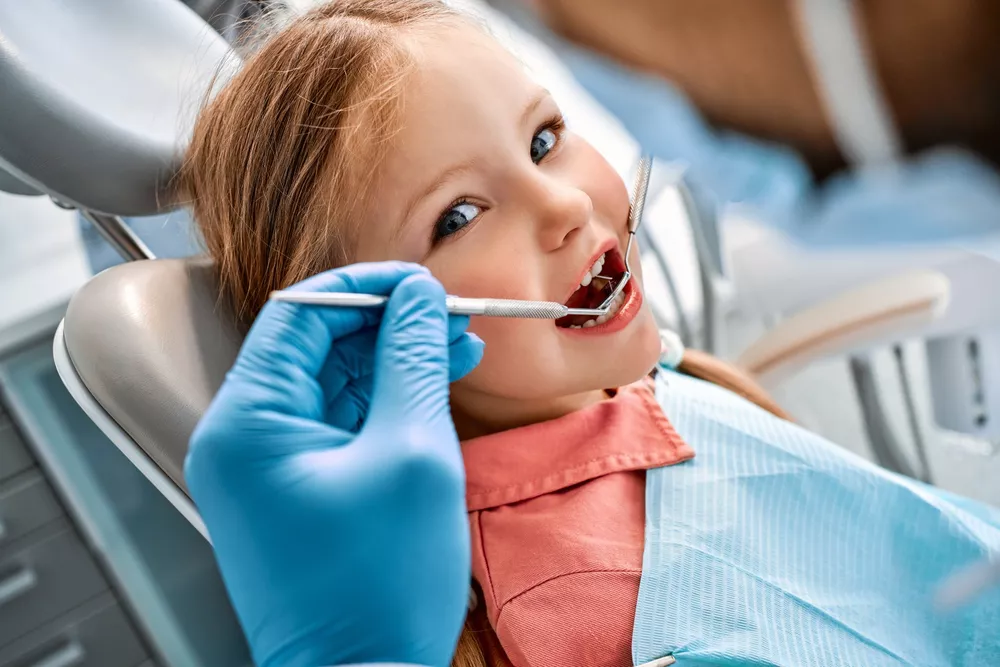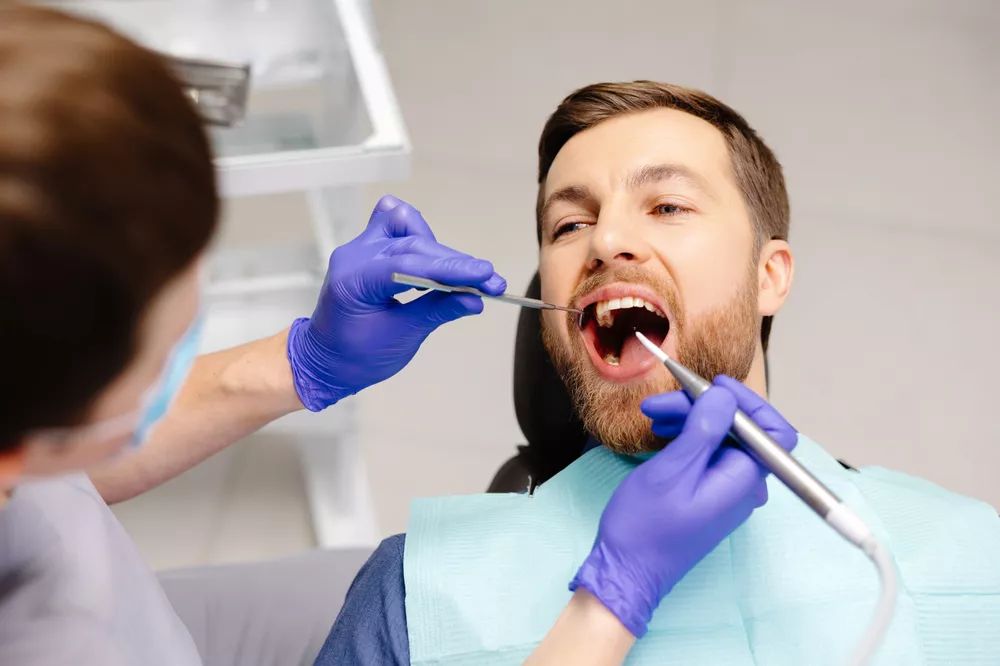
Every dental team applying a topical anesthetic before an injection is working with two variables that rarely get discussed together. Drug contact time gets most of the attention because gels and creams need a full two minutes to reach usable depth. Surface temperature, on the other hand, shapes how the tissue actually responds to a chemical agent once it lands on the mucosa.
The question matters because a warmer or cooler surface changes the physical environment the anesthetic has to work through. Blood flow, nerve conduction speed, and drug diffusion all shift with temperature at the tissue level. Understanding the relationship gives you a clearer read on why some injections feel smoother than others in your operatory.
Does Surface Temperature Affect Local Anesthetic Onset in a Dental Topical?
Yes, surface temperature affects local anesthetic onset because cooler tissue slows nerve conduction and reduces the pain signal reaching the brain. Chemical topicals still rely on drug diffusion into the mucosa, but a pre-cooled surface adds a parallel analgesic effect at the same moment. The combined effect explains why thermal application before or alongside a chemical topical can improve the clinical experience.
How Surface Temperature Shapes Nerve Conduction at the Injection Site
Nerve conduction speed depends heavily on the temperature of the tissue surrounding the fiber at any given moment. Cooler tissue slows sodium channel activity, which reduces how quickly a pain signal can travel from the periphery to the brain. Warmer tissue does the opposite by keeping ion channels operating at their normal firing rate during a stimulus.
Peripheral nerve fibers in the oral mucosa follow the same physical rules as fibers anywhere else in the body. A drop in surface temperature of just a few degrees measurably raises the pain threshold at the injection site. Cooling the tissue creates a physiological head start before any dental topical anesthetic has time to reach usable depth in the mucosa.
The mechanism runs parallel to how chemical anesthetics work rather than competing with them at the molecular level. Chemical agents block sodium channels from inside the nerve after diffusing across the mucosal surface. Thermal cooling slows those same channels from outside by changing the temperature at which they operate.
Meanwhile, the practical effect on an injection is straightforward for any assistant who has run both methods at chairside. A cooler surface reduces the sharpness of the initial stick before the chemical agent has fully soaked in. Both effects can stack when timed correctly, which is where clinical technique starts to matter more than product choice.
Chemical Diffusion and Tissue Temperature in Dental Topical Anesthetic Delivery
Chemical dental topical anesthetic agents like benzocaine and lidocaine rely on diffusion across the mucosal surface to reach the nerve. Diffusion rate depends on multiple variables, including drug concentration, contact time, and the physical state of the tissue at application. Temperature quietly sits inside that list even though clinicians rarely think about it during setup.
Warmer tissue increases local blood flow, which can carry the anesthetic away from the site faster than expected. Cooler tissue slows that clearance rate and keeps the drug concentrated where it needs to work at the nerve fiber.
The trade-off is that cold also slows the diffusion process itself, meaning a heavily cooled surface can delay chemical onset. Balancing those two effects is where clinical judgment separates a smooth injection from an uncomfortable one. Timing and duration of any pre-cooling step both matter as much as the choice to cool in the first place.
Sequential application often works better than combining the two methods into a single moment at the chair. A brief thermal application blunts the initial stick while the chemical agent takes over for deeper, longer-acting numbing. Practices that use both tools thoughtfully report better patient experiences than practices leaning on either method alone.
What the Research Says About Cooling and Anesthetic Onset
Research on pre-cooling before dental topical anesthetic delivery has grown steadily over the past decade across pediatric and adult populations. Multiple randomized trials have tested whether cooling the mucosa reduces pain scores during local anesthetic administration at the chair. Findings support cooling as a real clinical variable rather than a comfort placebo.
Split-Mouth Adult Study - According to a split-mouth study, pre-cooling the injection site significantly reduced pain perception during local anesthetic administration.
Pediatric RCT Comparison - According to a three-arm randomized trial, pre-cooling with ice outperformed both laser biostimulation and topical anesthetic gel for reducing injection pain in children.
Mechanism Supported - Studies consistently attribute the effect to slowed nerve conduction and reduced pain signal transmission at the tissue level.
Population Range - Evidence now spans pediatric, adult, and mixed-population studies, supporting broader clinical applicability beyond just children.
Method Comparison - Cooling performed comparably to or better than chemical topicals in several head-to-head trials measuring patient-reported pain scores.
The pattern across studies points to cooling as a low-cost, low-risk addition to the standard injection protocol. Effect sizes vary by study design and patient age, so results should be read as directional rather than universal. Even so, the direction is consistent enough for most practices to consider building cooling into the workflow.
Applying Temperature Insights to Dental Topical Anesthetic Workflow
Applying temperature insights to a dental topical anesthetic workflow requires more attention to sequence and timing than to product selection alone. A team that understands how cooling interacts with chemical diffusion can build a protocol that gets the best of both methods without slowing the schedule.
Consider the following:
Sequence Cooling First - Apply the thermal method briefly before the chemical topical to blunt the initial stick without delaying deeper numbing.
Limit Cool Duration - Keep pre-cooling to a few seconds so diffusion of any follow-up chemical agent stays close to normal.
Match to Patient - Prioritize cooling for anxious patients, pediatric cases, and needle-phobic adults who react most to the initial stick.
Standardize Assistant Technique - Consistent application by the assistant matters more than aggressive spray duration for reliable results.
Track Patient Feedback - Note patient responses across visits to refine timing and identify which cases benefit most from the combined method.
Adoption tends to move fastest when one operatory tests the protocol before the practice commits across the schedule. Feedback from patients and staff usually settles any lingering questions within the first few weeks of consistent use. Practices that treat temperature as a clinical variable, not an afterthought, run smoother injection appointments across the board.
Furthermore, the workflow shift is smaller than most teams expect once the assistant runs a few cases in sequence. Timing gets refined naturally as the team sees which patients respond most to the combined approach.
Ready to Build Temperature Into Your Dental Injection Protocol?
Surface temperature is a clinical variable most practices overlook when planning a topical anesthetic workflow. Research supports cooling as a real contributor to smoother injections across pediatric and adult patients. Building it into the sequence takes little effort once the assistant runs a few cases at chairside.
DentalJect gives your team a fast, drug-free way to apply cooling directly to the injection site in seconds. The device pairs cleanly with any chemical topical protocol your practice already runs. Speak with the VCS Medical team about adding DentalJect to your dental topical anesthetic workflow.
Ready to start the No-Wait Injection Protocol?
Add DentalJect to your practice with the Intro Bundle.
Get the Intro Bundle