Two mechanisms dominate the pre-injection landscape in dentistry, and each shapes the topical anesthetic experience your patients receive. Chemical agents rely on sodium channel blockade in mucosal nerves, while thermal agents rely on rapid cooling of the tissue surface. Understanding how they differ helps you match the right approach to the right procedure.
The choice affects onset time, safety profile, workflow, and patient perception in measurable ways. Each option carries clinical trade-offs that influence chair time, staff coordination, and injection outcomes. Below, you will find a structured comparison to guide selection during routine and complex cases.
What Distinguishes Thermal From Chemical Blockade?
Thermal blockade lowers mucosal temperature within seconds, reducing nerve conduction velocity and dampening receptor firing before the needle enters. Chemical blockade uses agents such as benzocaine or lidocaine to inhibit sodium channels in surface nerves after diffusion through the epithelium. The mechanisms produce similar analgesic goals through different physiological pathways and timing profiles.
How Topical Anesthetic Chemical Blockade Works in Dentistry
Chemical topicals dominate most dental operatories because clinicians have used them for decades in gel, spray, and ointment forms. Benzocaine and lidocaine remain the most familiar agents, each requiring diffusion through the mucosal barrier before onset. Understanding the timing of that diffusion clarifies why traditional topical protocols include a waiting period.
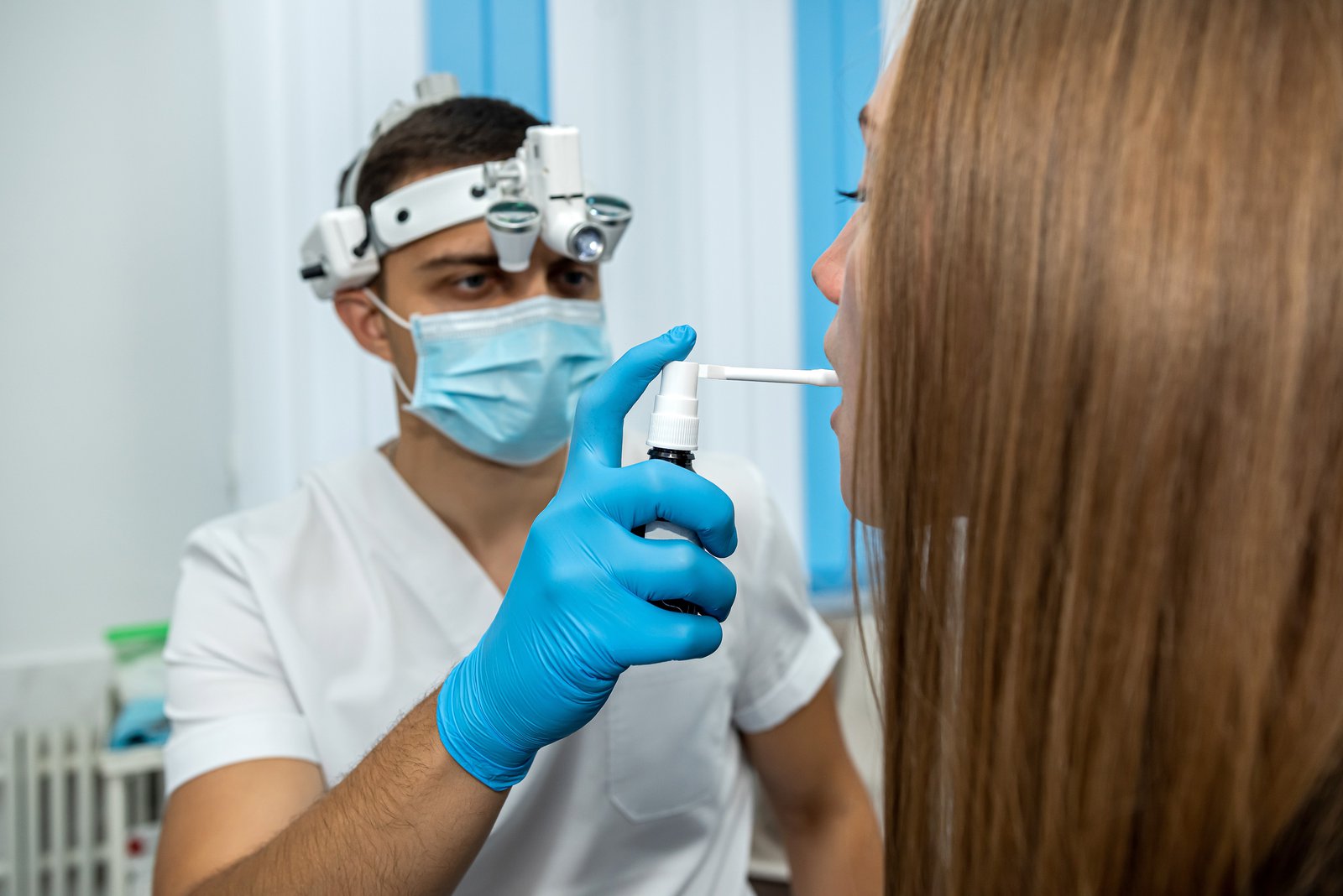
According to StatPearls guidance on local anesthetic drugs in dentistry, benzocaine at 20 percent achieves adequate topical depth in two to three minutes. Lidocaine gel or spray reaches full effect roughly one to two minutes after application at typical concentrations. In practice, the delay creates dead time between application and injection that adds up across a full schedule.
How Thermal Blockade Complements Topical Anesthetic Use in Dentistry
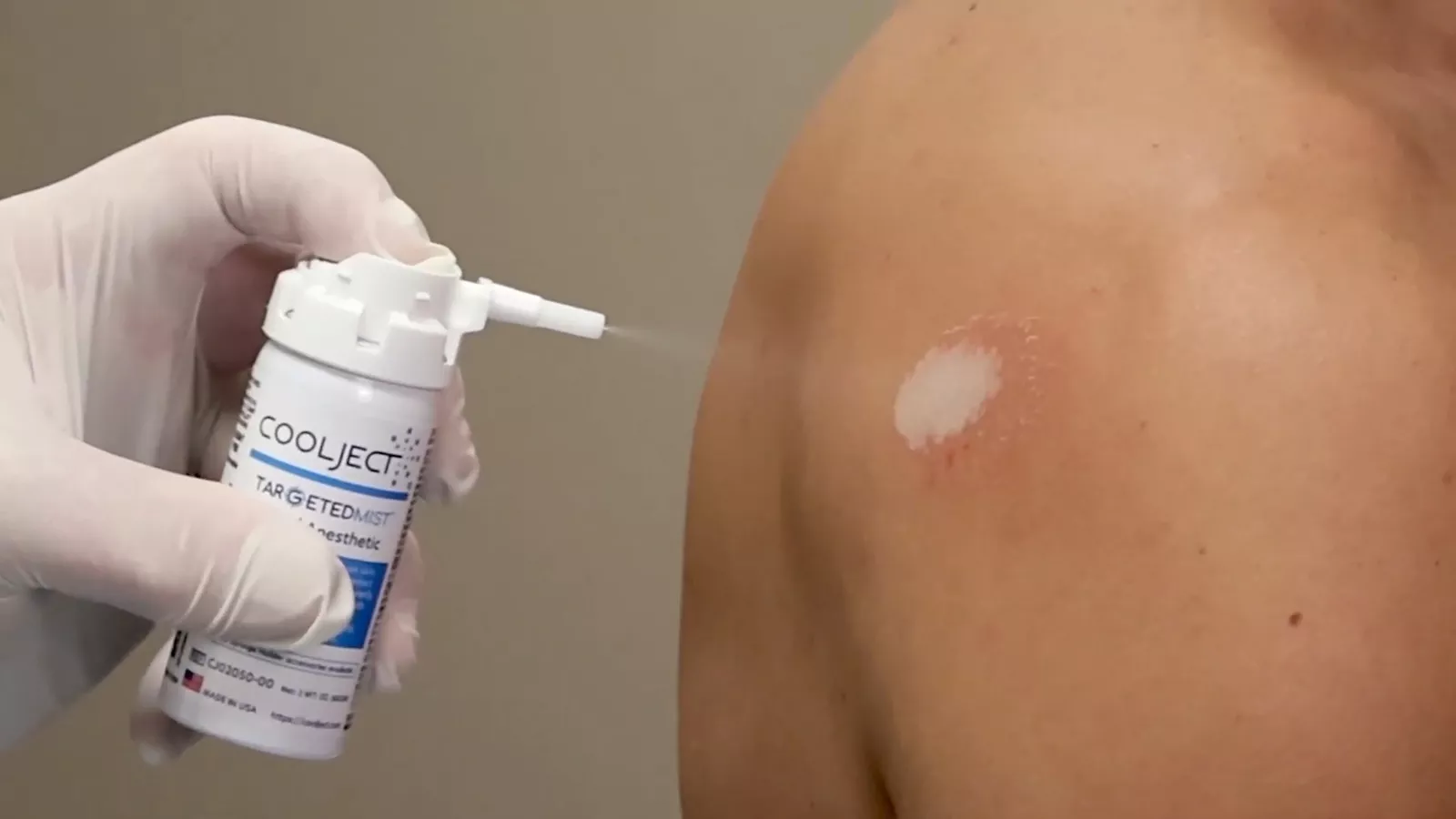
Thermal blockade relies on rapid evaporation of a coolant against mucosal tissue to drop surface temperature within one to two seconds. The physiologic effect includes slowed nerve conduction, elevated receptor thresholds, and recruitment of thermoreceptors that compete with pain fibers. Onset occurs at the moment of application rather than after a diffusion delay.
Clinical studies across procedural specialties support the mechanism at the peripheral and central levels. In addition, cooling activates gate control pathways in the dorsal horn, further reducing pain perception during needle insertion. The combined peripheral and central effect creates a rapid analgesic window suited to brief procedures.
DentalJect uses a targeted cool gas to produce mucosal cooling in the challenging zones dentists encounter most often. You can review the mechanism in detail on our how it works page. Patients tolerate the sensation well, and the application requires no waiting period before injection begins.
Onset, Safety, and Workflow Comparison
Onset time separates the two approaches sharply and shapes how each fits into a busy operatory schedule. Thermal blockade acts in seconds, while chemical agents require one to three minutes for adequate depth. However, chemical agents produce longer surface anesthesia once diffusion completes.
Safety profiles differ in ways that matter for pediatric and medically complex patients. According to a Food and Drug Administration (FDA) drug safety communication, benzocaine oral products have been linked to methemoglobinemia across all age groups. Roughly 400 cases have been reported since 1971, prompting labeling changes and pediatric contraindications.
Thermal blockade delivers no pharmacologic agent, which removes concerns about allergy, systemic absorption, or drug interaction. Meanwhile, the drug-free profile of a cooling topical anesthetic simplifies documentation for pediatric visits and medically complex patients. Workflow also improves because your assistant can transition to needle handoff without pause.
Choosing the Right Approach for Each Procedure
Procedure length, patient population, and injection site all influence which topical anesthetic strategy fits best. Thermal blockade suits palatal injections, posterior mandibular blocks, and brief penetrations where speed matters most. Chemical blockade suits longer soft tissue procedures such as scaling, probing, or subgingival applications where duration outweighs onset.
Pediatric protocols benefit from the drug-free nature of cooling agents, especially given regulatory attention on benzocaine safety. For anxious adult patients, thermal blockade reduces the anticipatory pause that often heightens fear before the needle. Reducing that pause matters given the persistence of dental fear across populations.
According to a systematic review published in the Journal of Dentistry, global dental fear and anxiety affect roughly 15.3 percent of adults. Explore the full range of DentalJect benefits to see how thermal blockade addresses that concern. You can also read our post on numbing spray as a prescription device and our overview of practice growth through referral-based care.
Choose the Right Blockade Method for Your Practice
Thermal and chemical topical anesthetic strategies each solve part of the injection pain puzzle, and neither replaces the other outright. Your choice depends on procedure type, patient risk factors, and how much workflow speed matters in a given case. Understanding both mechanisms allows you to sequence chair time with intention rather than default.
DentalJect brings the thermal option into your operatory with a rapid, drug-free, targeted delivery system. Learn more about our founding mission on the about us page before your next protocol review. Get in touch through our contact page to discuss how the no-wait protocol fits your patient mix.
Ready to start the No-Wait Injection Protocol?
Add DentalJect to your practice with the Intro Bundle.
Get the Intro Bundle